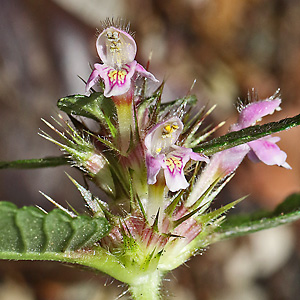
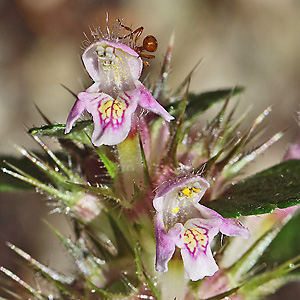
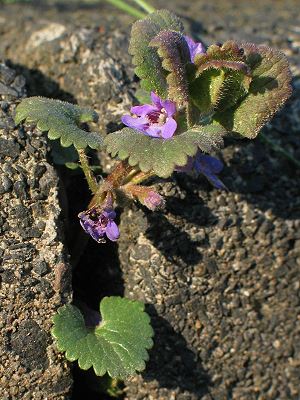
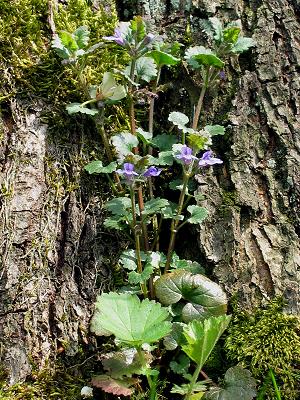
Lippenblütler · Lamiaceae bzw. Labiatae
Gattungen: 
Günsel
(Ajuga) ·
Betonie
(Betonica) ·
Bergminze
(Clinopodium) ·
Goldnessel
(Galeobdolon) ·
Hohlzahn
(Galeopsis) ·
Gundermann
(Glechoma) ·
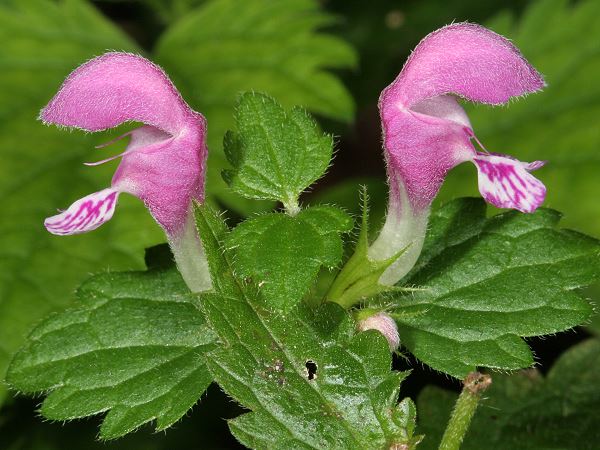
Taubnessel
(Lamium) ·
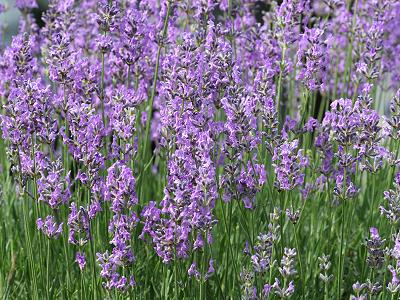
Lavendel
(Lavandula) ·
Herzgespann
(Leonurus) ·
Wolfstrapp
(Lycopus) ·
Melisse
(Melissa) ·
Minze
(Mentha) ·
Katzenminze
(Nepeta) ·
Basilikum
(Ocimum) ·
Dost
(Origanum) ·
Brandkraut
(Phlomis) ·
Braunelle
(Prunella) ·
Rosmarin
(Rosmarinus) ·
Salbei
(Salvia) ·
Helmkraut
(Scutellaria) ·
Ziest
(Stachys) ·
Gamander
(Teucrium) ·
Thymian / Quendel
(Thymus)
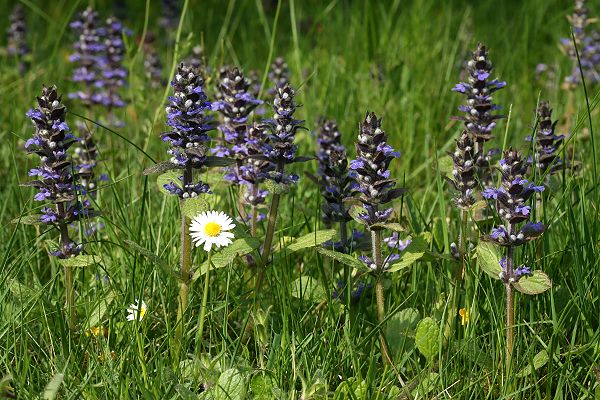
♣ Ajuga ♠ A. reptans – Kriechender Günsel
♣ Ballota ♠ B. nigra – Schwarznessel
♣ Betonica ♠ B. officinalis – Echte Betonie, Heilziest
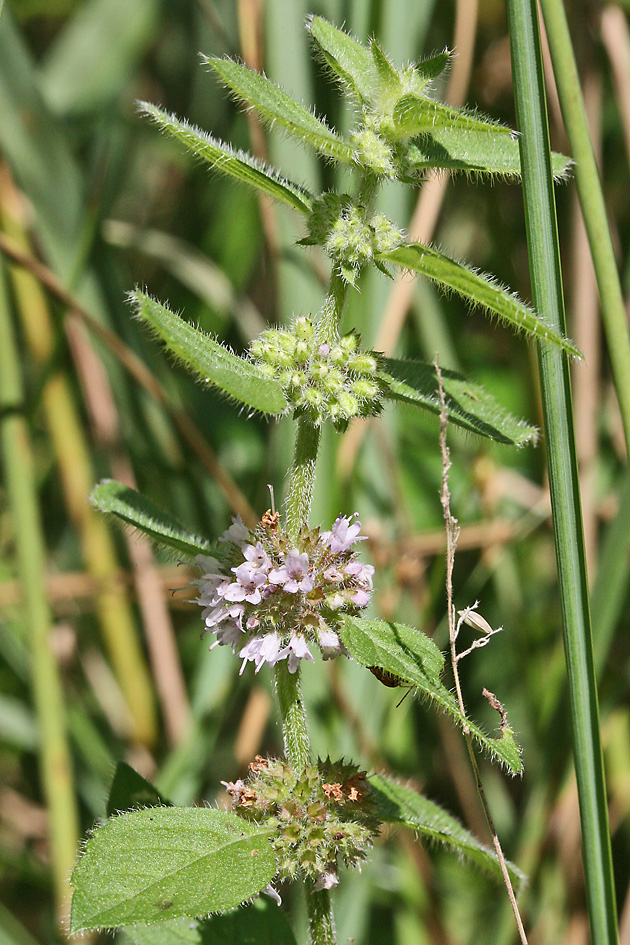
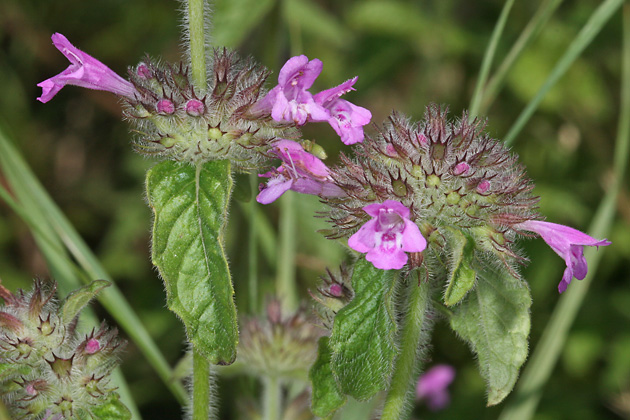
♣ Clinopodium ♠ C. vulgare – Gemeiner Wirbeldost
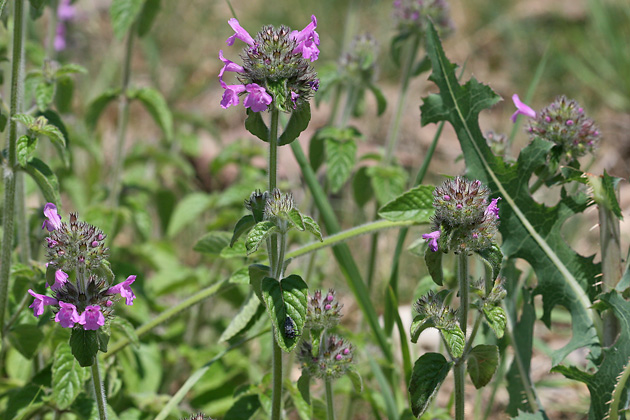 |
| Der Wirbeldost (Clinopodium vulgare) wurde früher der Gattung Calamintha zugeordnet · 17.06.2012 |
 |
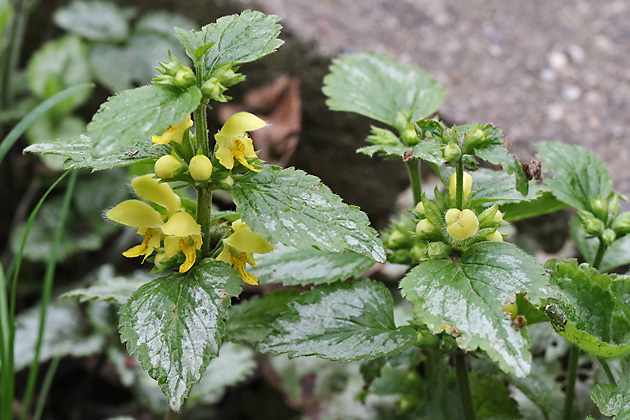
♣ Galeobdolon ♠ G. argentatum – Silbrige Goldnessel
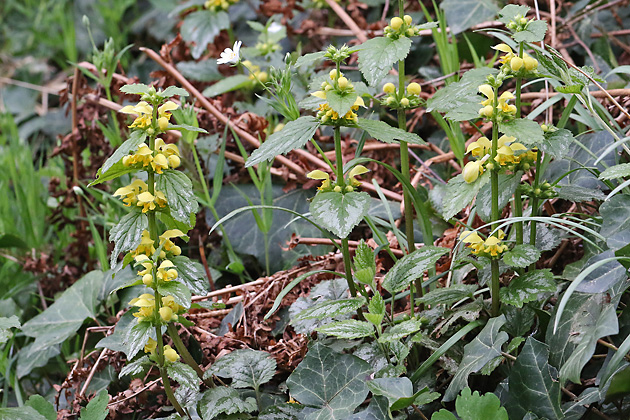 |
| Die Silbrigen Flecken von Galeobdolon argentatum nehmen oft mehr als 50% der Blattspreitenfläche ein |
 |
♣ Galeobdolon ♠ G. luteum (bzw. Lamium galeobdolon) – Gewöhnliche Goldnessel
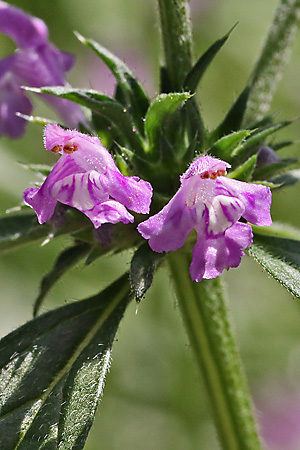
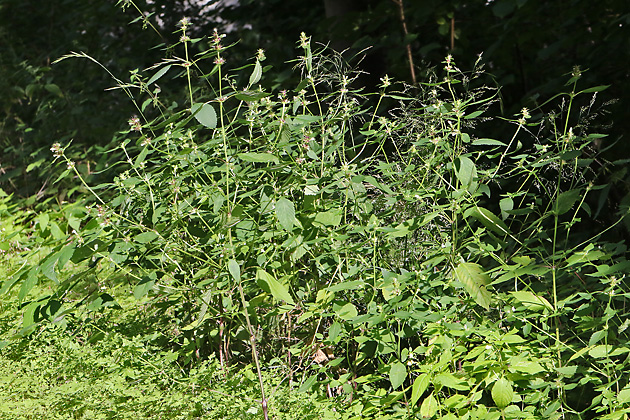
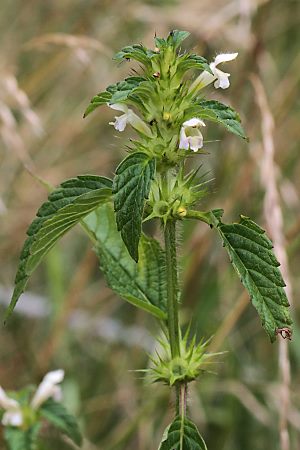
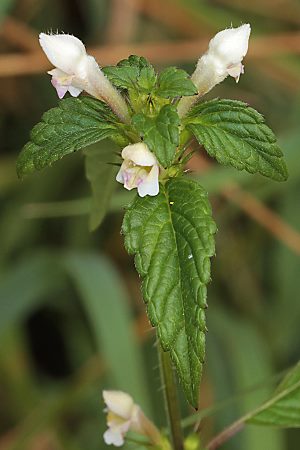
♣ Galeopsis ♠ G. angustifolia – Schmalblättriger Hohlzahn, Hanfnessel
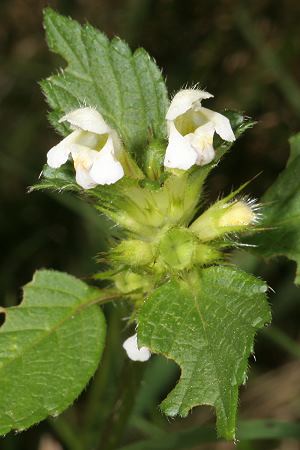
♣ Galeopsis ♠ G. tetrahit – Gemeiner Hohlzahn, Hanfnessel
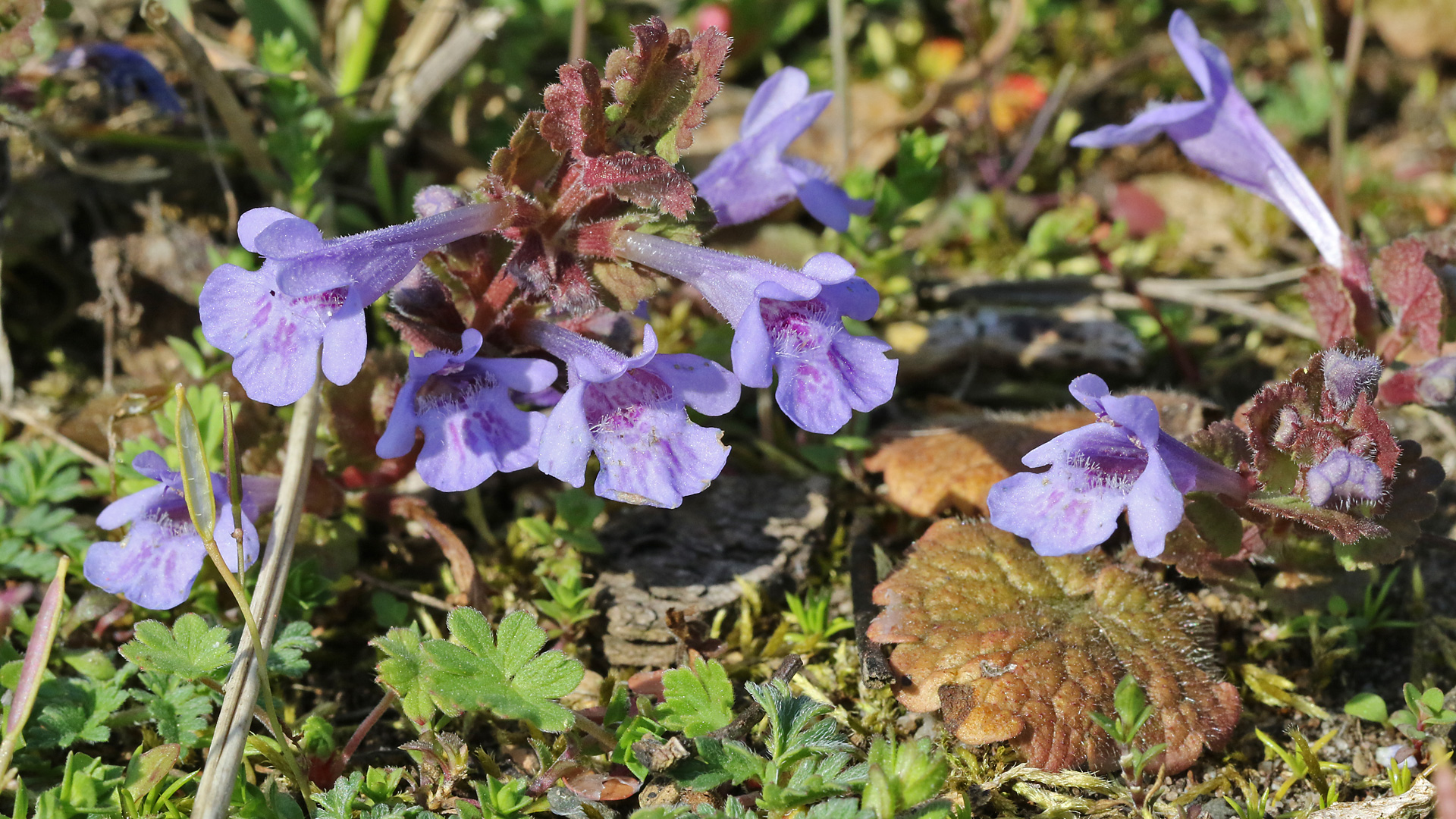
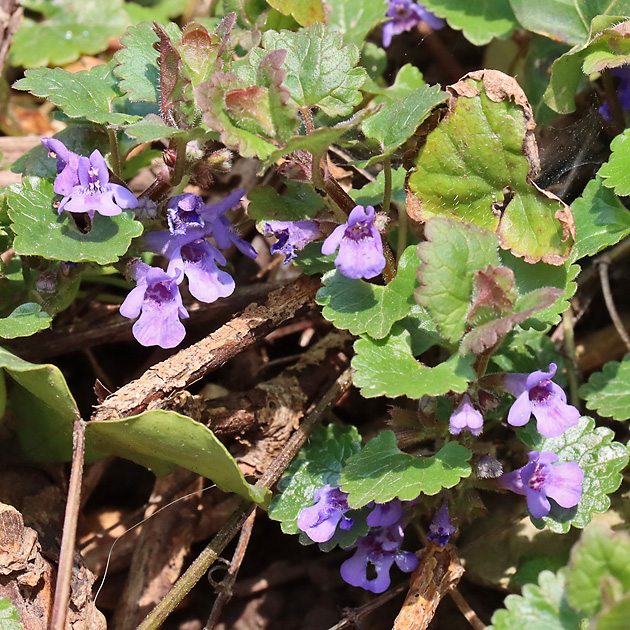
♣ Glechoma ♠ G. hederacea – Gundermann
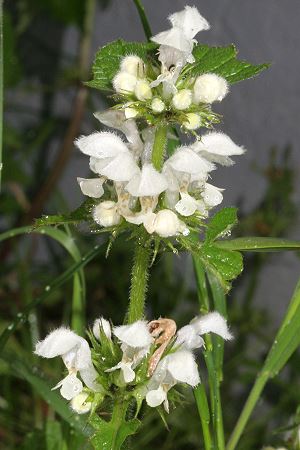
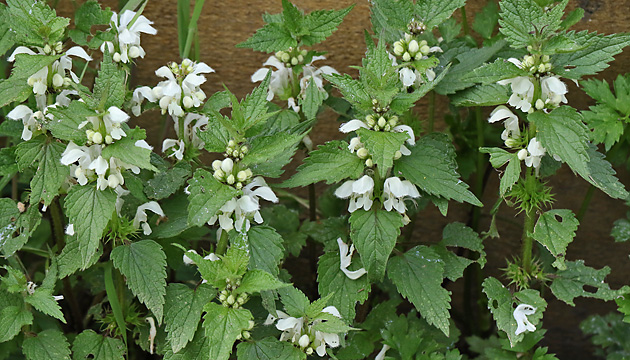
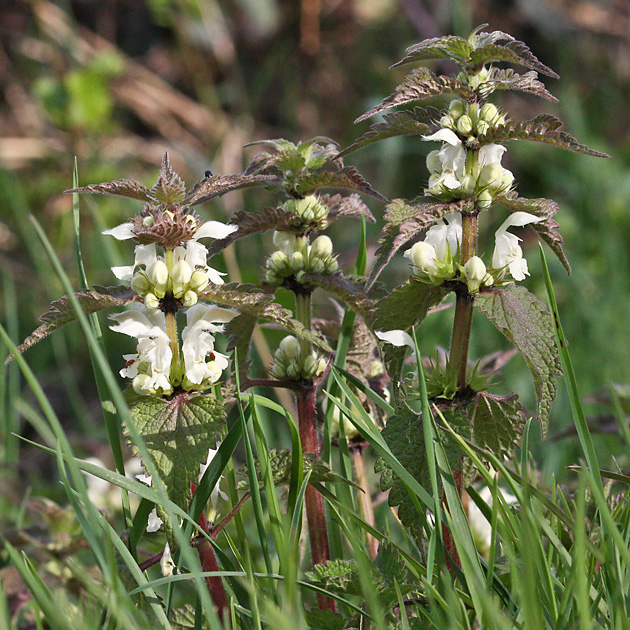
♣ Lamium ♠ L. album – Weiße Taubnessel
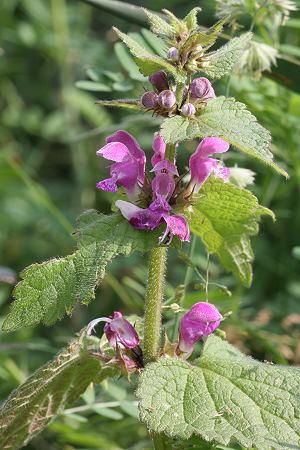
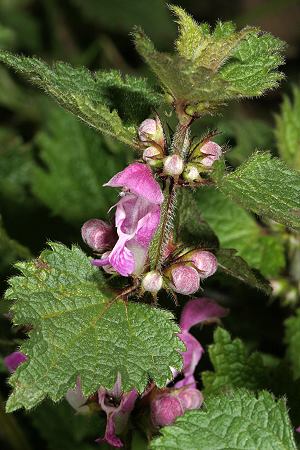
♣ Lamium ♠ L. maculatum – Gefleckte Taubnessel
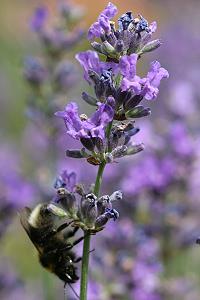
♣ Lavandula ♠ L. angustifolia – Lavendel
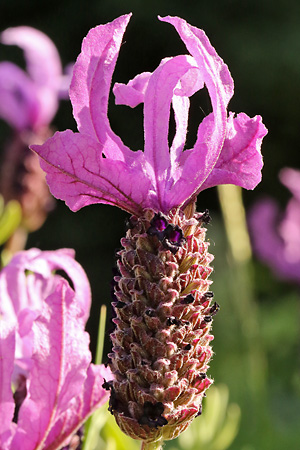
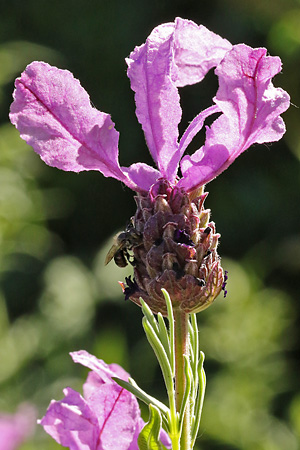
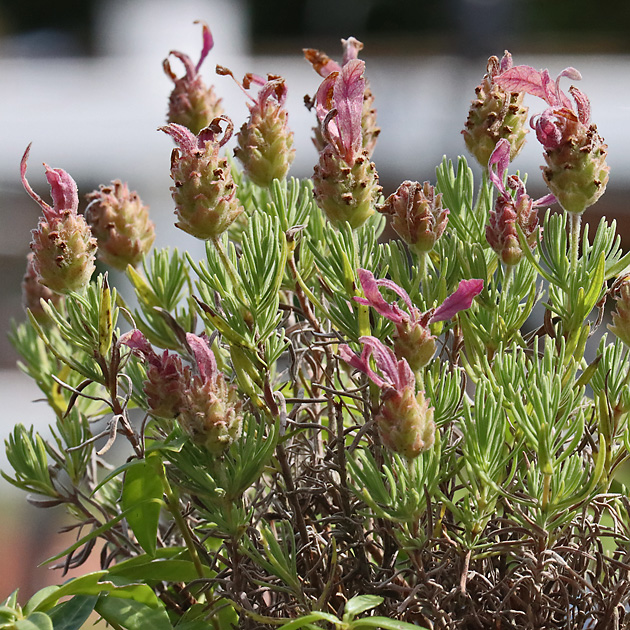
♣ Lavandula ♠ L. stoechas – Schopf-Lavendel (Neophyt)
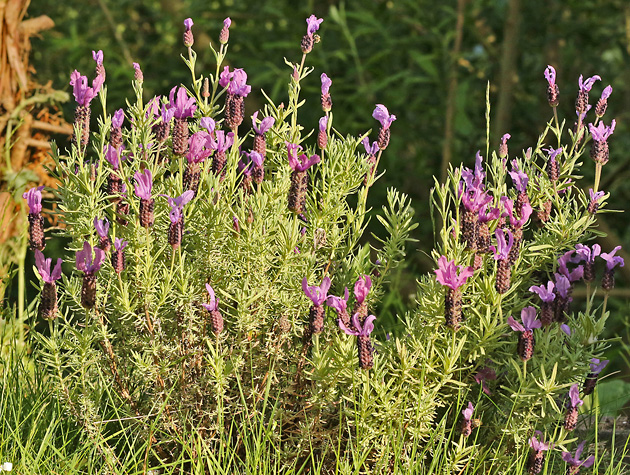 |
| Schopf-Lavendel (Lavandula stoechas): eine mediterrane Zierpflanze · 17.05.2020 ↑ · 11.07.2024 ↓ |
 |
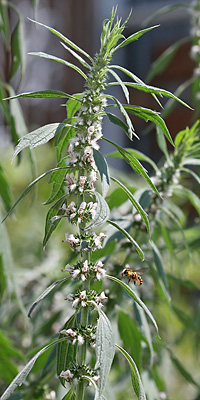
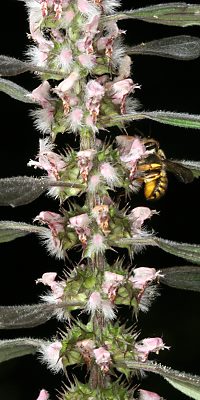
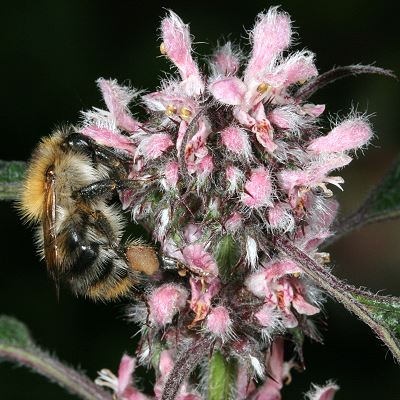
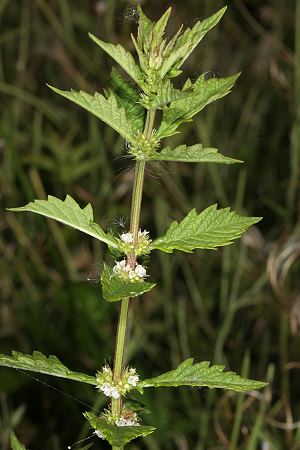
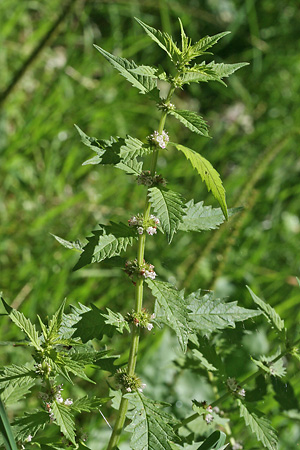
♣ Leonurus ♠ L. cardiaca – Echtes Herzgespann, Löwenschwanz, Herzspannkraut
♣ Leonurus ♠ L. marrubiastrum – Filziges Herzgespann, Katzenschwanz
♣ Lycopus ♠ L. europaeus – Gemeiner Wolfstrapp
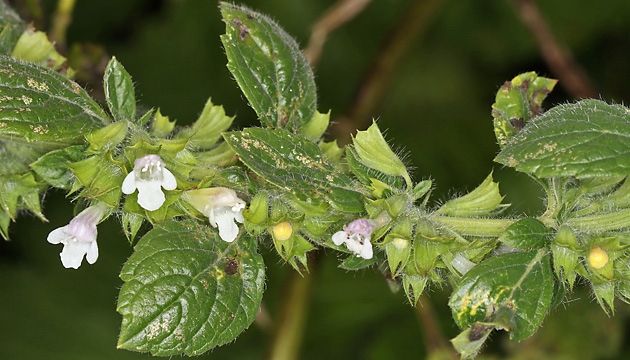
♣ Melissa ♠ M. officinalis – Zitronenmelisse (Neophyt)
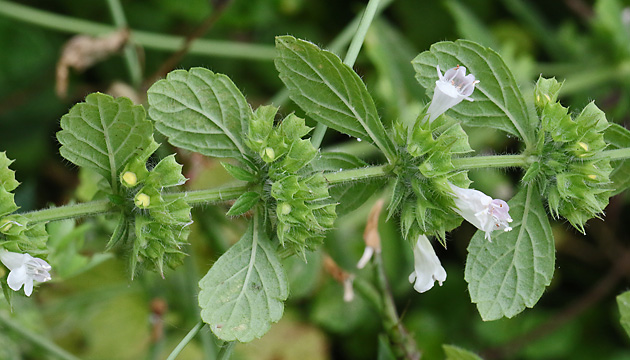 |
| Zitronenmelisse (Melissa officinalis), Stengel liegend durch Starkregen · 03.08.2024 |
 |
♣ Mentha ♠ M. aquatica – Wasserminze
♣ Mentha ♠ M. arvensis – Rundblättrige Minze
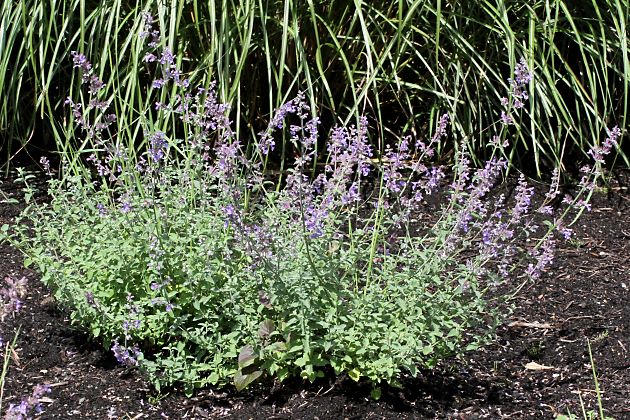
♣ Nepeta ♠ N. cataria – Echte Katzenminze
♣ Nepeta ♠ N. racemosa – Trauben-Katzenminze
♣ Ocimum ♠ O. basilicum – Basilikum
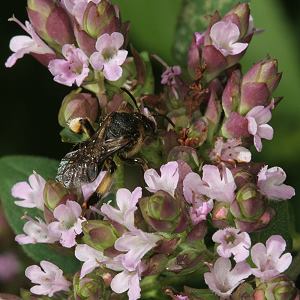
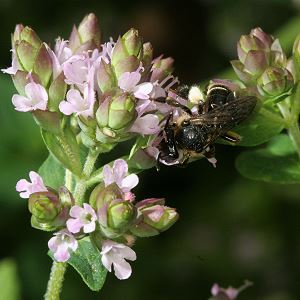
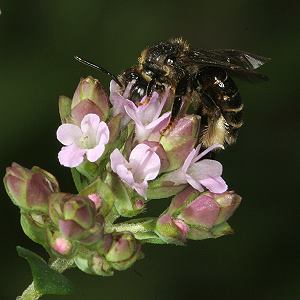
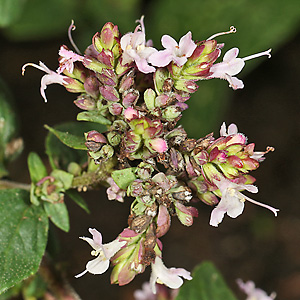
♣ Origanum ♠ O. vulgare – Dost
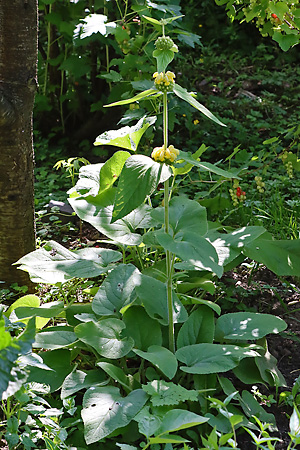
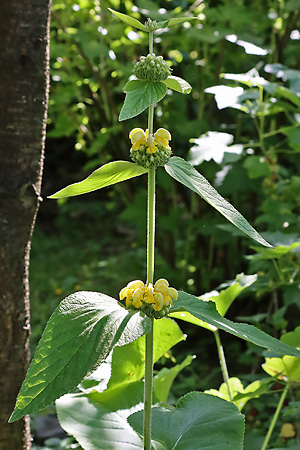
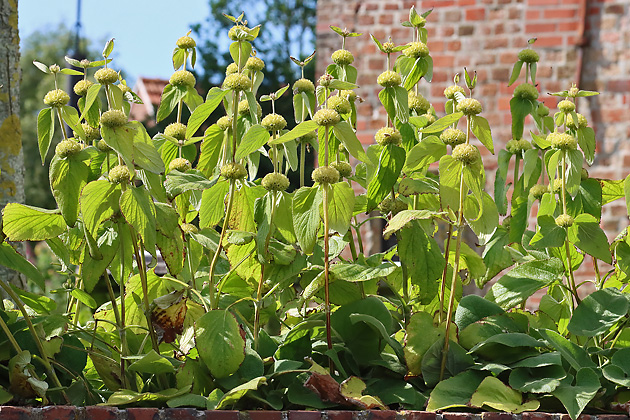
♣ Phlomis ♠ P. russeliana – Russel-Brandkraut (Neophyt)
♣ Prunella ♠ P. vulgaris – Kleine / Gewöhnliche Braunelle
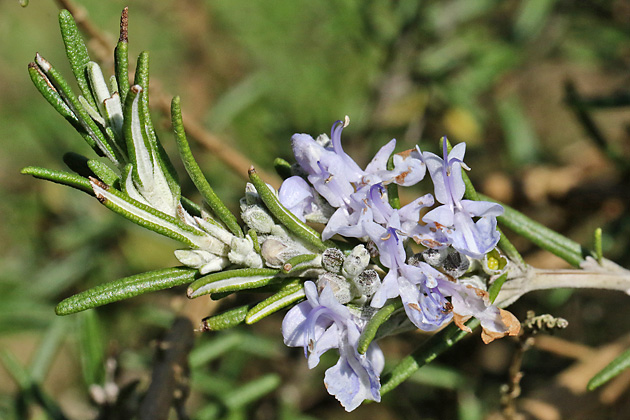
♣ Rosmarinus ♠ R. officinalis – Rosmarin
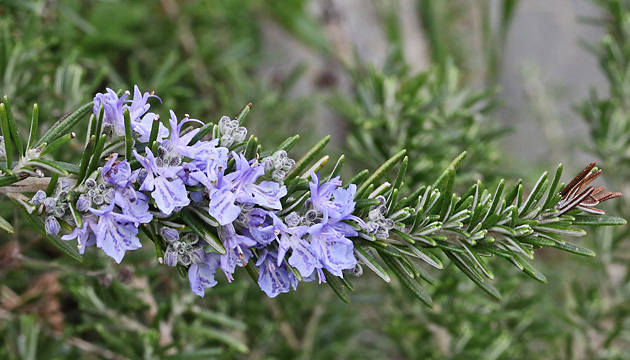 |
| Rosmarin (Rosmarinus officinalis) · 14.04.2022 ↑ · 08.03.2025 ↓ |
 |
♣ Salvia ♠ S. argentea – Silberblatt-Salbei
♣ Salvia ♠ S. nemorosa – Hain-Salbei, Steppen-Salbei
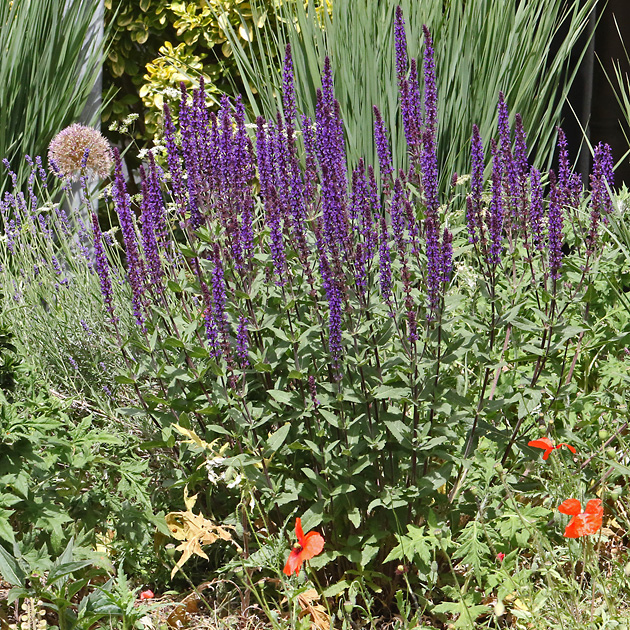 |
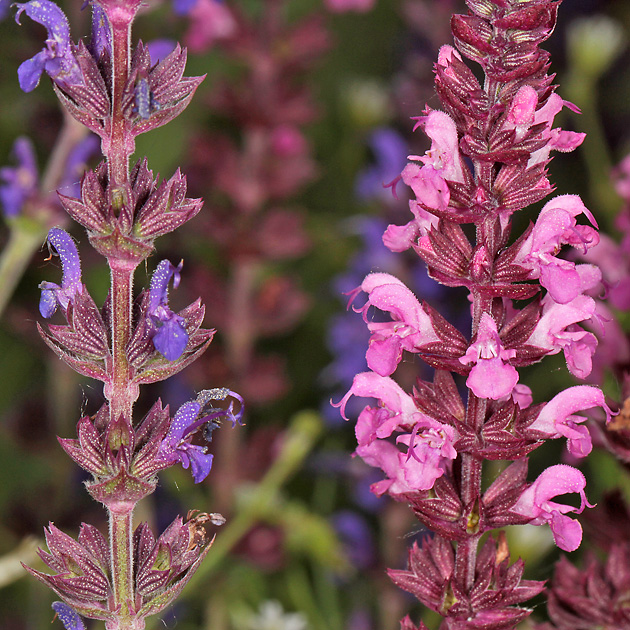
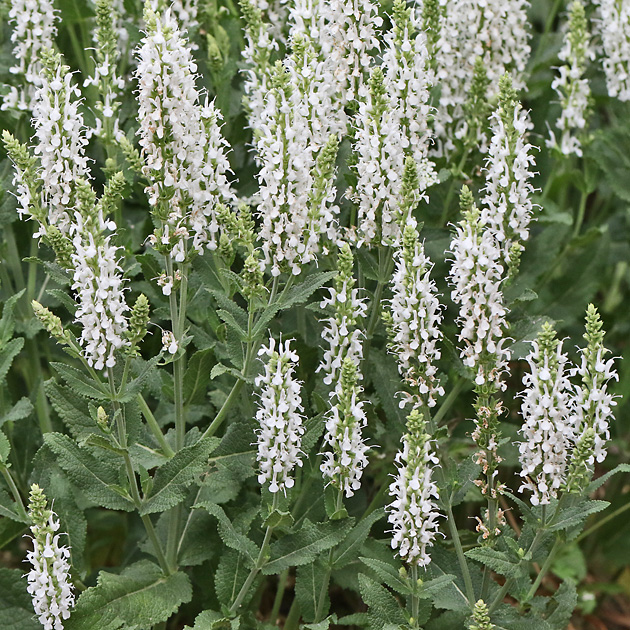
| Der Hain- bzw. Steppensalbei (Salvia nemorosa) ist an seinen ausgebuchteten Blatträndern erkennbar |
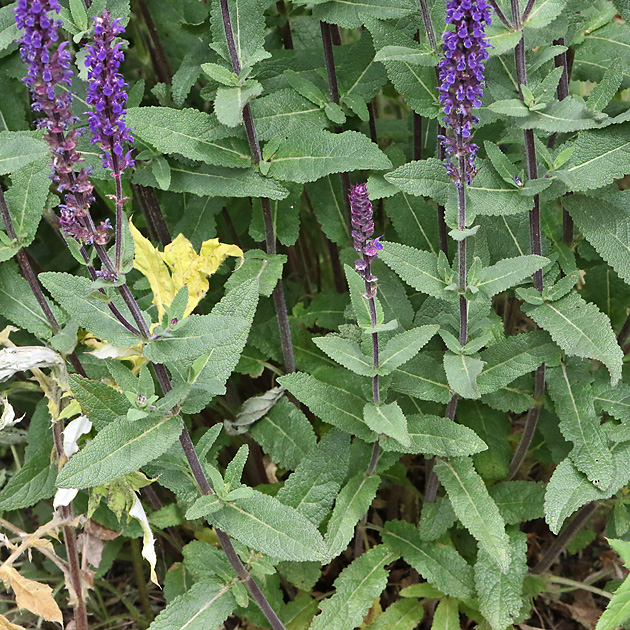 |
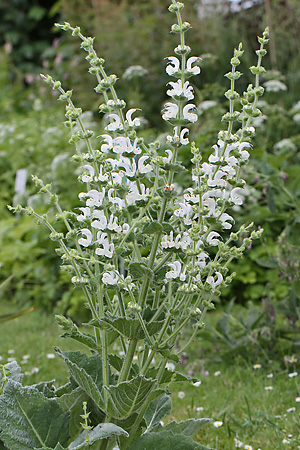
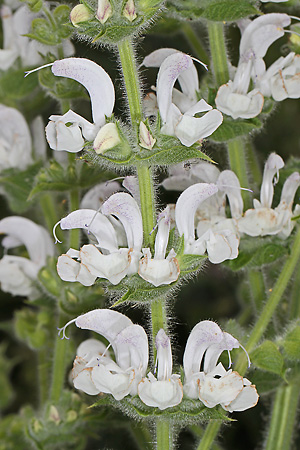
| Eine weiße Sorte des Hain- bzw. Steppensalbeis ↓ · Solingen, 20.05.2025 ⇅ |
 |
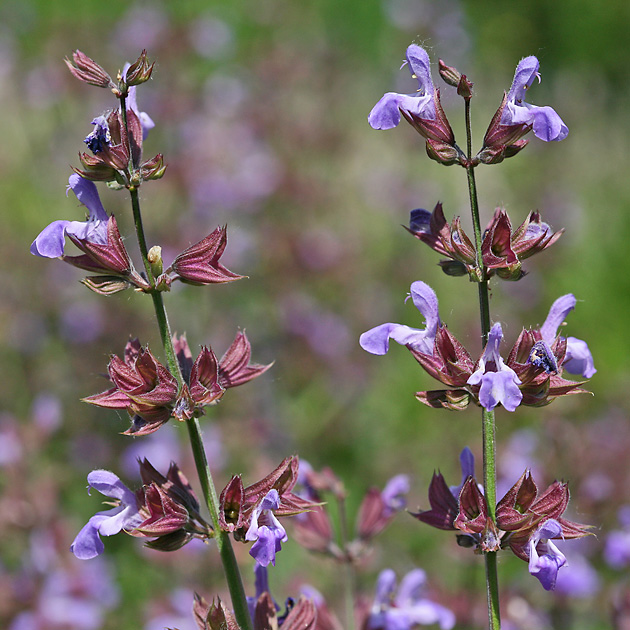
♣ Salvia ♠ S. officinalis – Echter Salbei, Garten-Salbei, Heil-Salbei, Küchen-Salbei
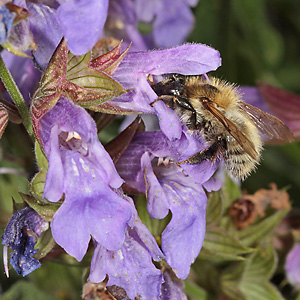
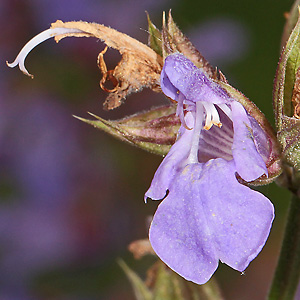
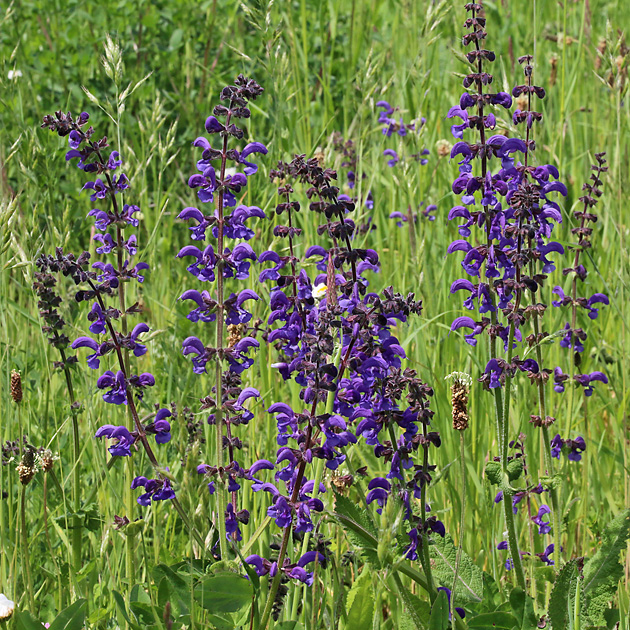
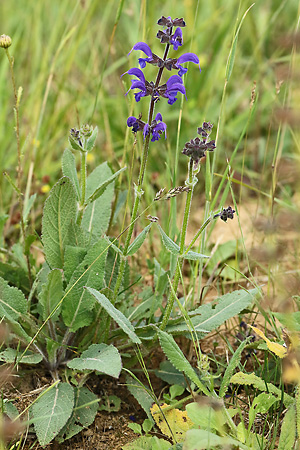
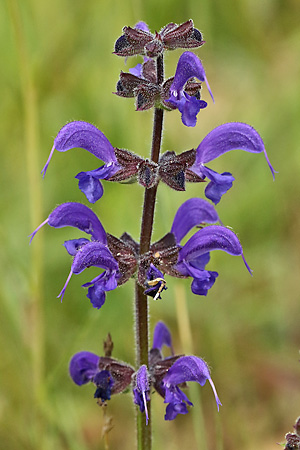
♣ Salvia ♠ S. pratensis – Wiesen-Salbei
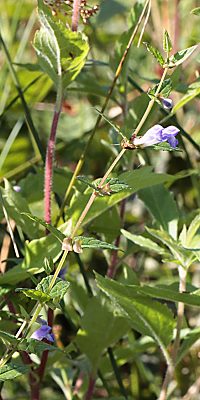
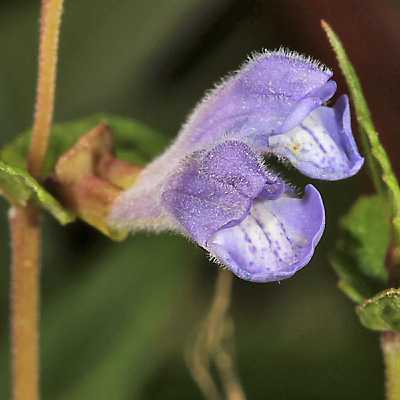
♣ Scutellaria ♠ S. galericulata – Sumpfhelmkraut
♣ Stachys ♠ S. affinis – Knollen-Ziest (Japanknolle etc.) (Neophyt)
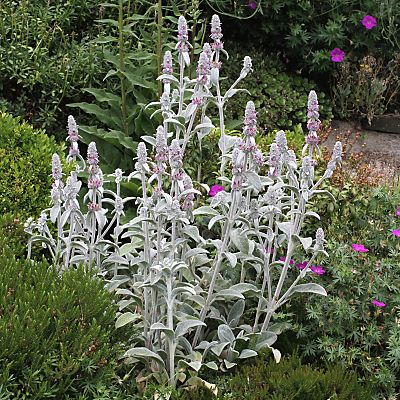
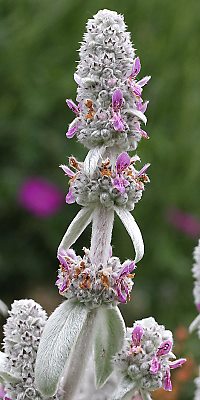
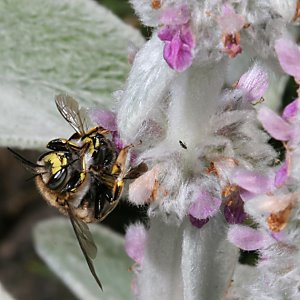
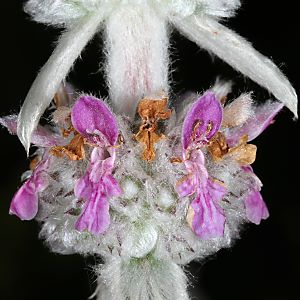
♣ Stachys ♠ S. byzantina – Wollziest (Eselsohr, Hasenohr) (Neophyt)
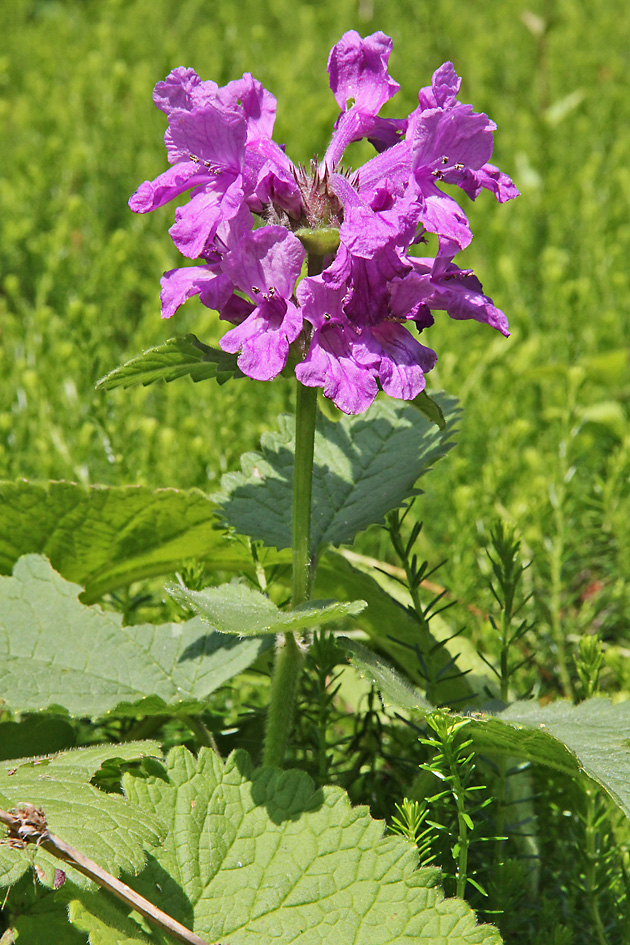
♣ Stachys ♠ S. grandiflora – Großblütiger Ziest (Neophyt)
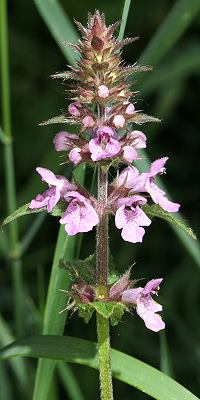
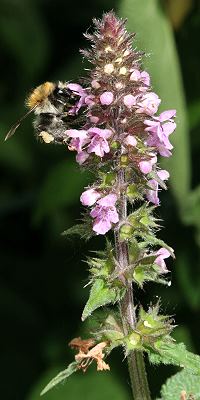
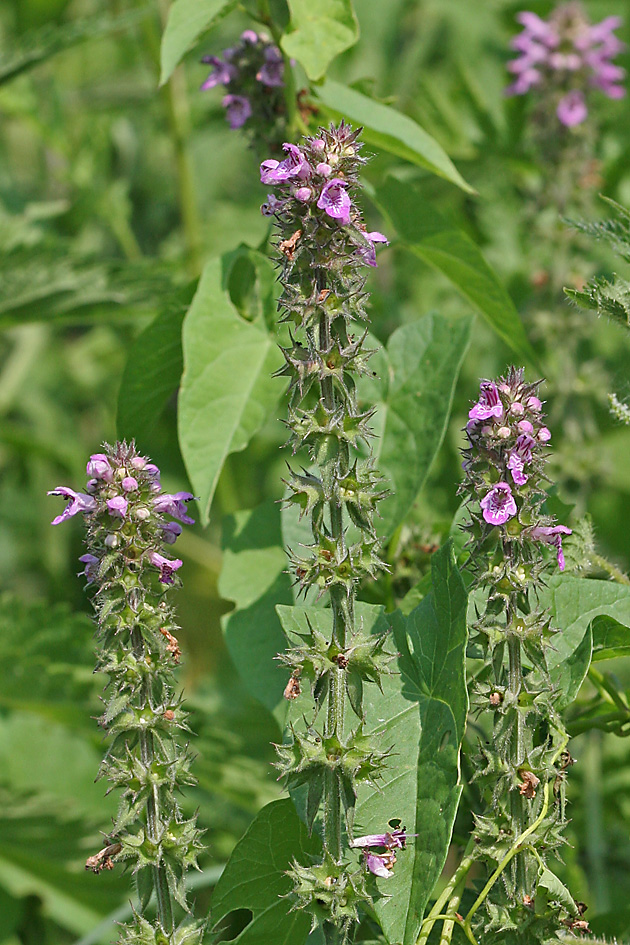
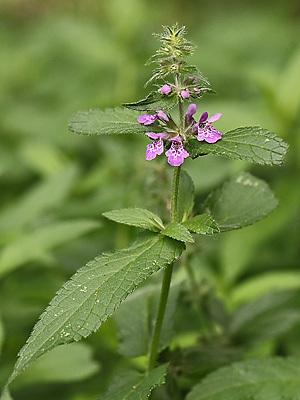
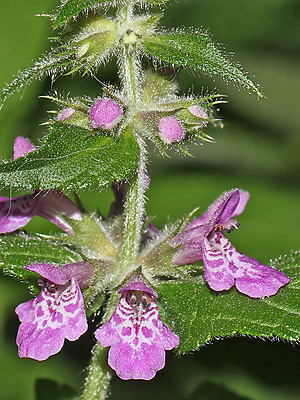
♣ Stachys ♠ S. palustris – Sumpfziest
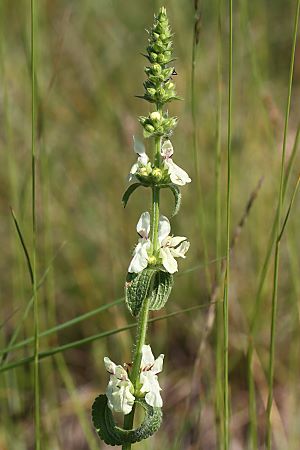
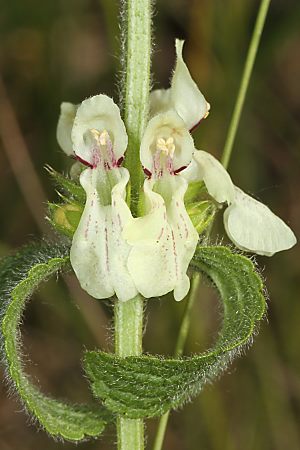
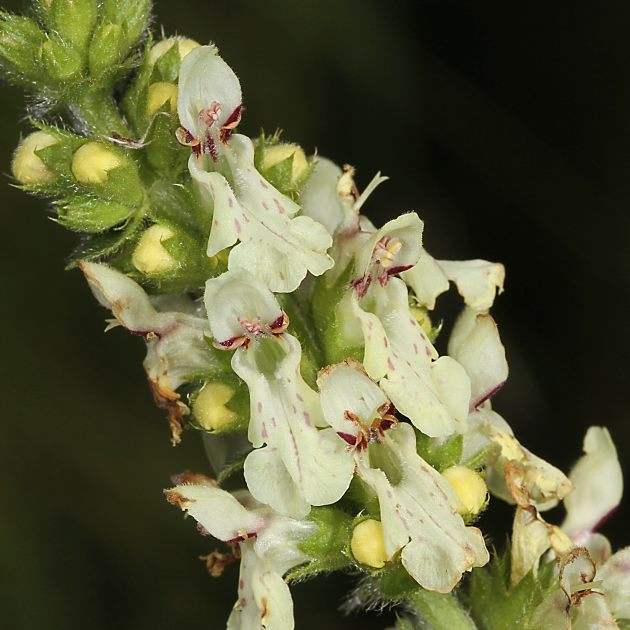
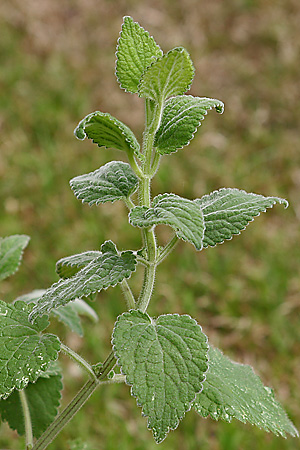
♣ Stachys ♠ S. recta – Aufrechter Ziest
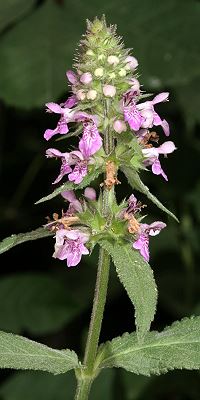
♣ Stachys ♠ S. sylvatica – Waldziest
♣ Teucrium ♠ T. chamaedrys – Edel-Gamander, Schafkraut
♣ Teucrium ♠ T. scorodonia – Salbei-Gamander
♣ Thymus ♠ T. pulegioides – Breitblättriger / Gew. / Gemeiner Thymian, Arznei-Thymian, Quendel-Thymian
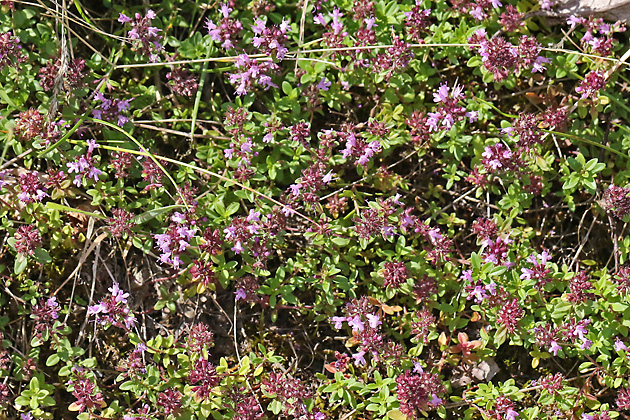
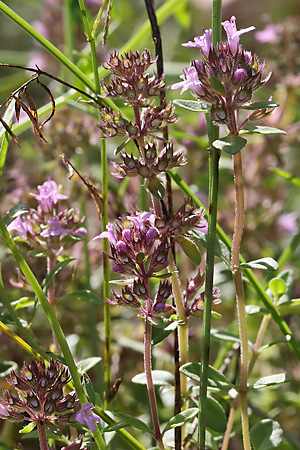
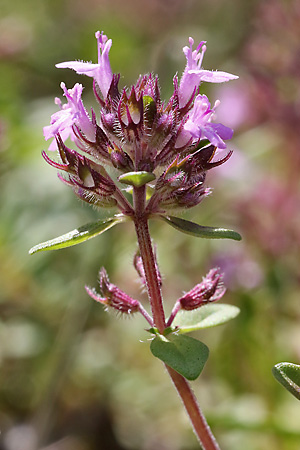
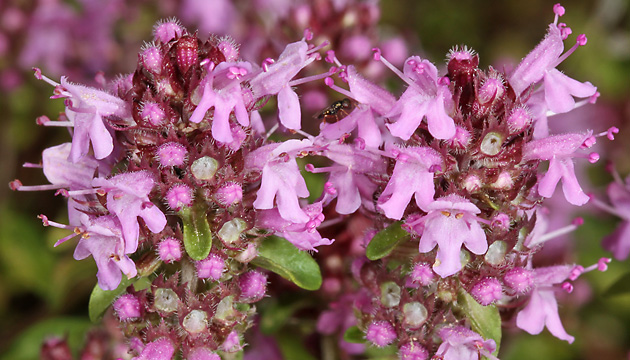
♣ Thymus ♠ T. serpyllum – Sand-Thymian, Feld-Thymian, Quendel
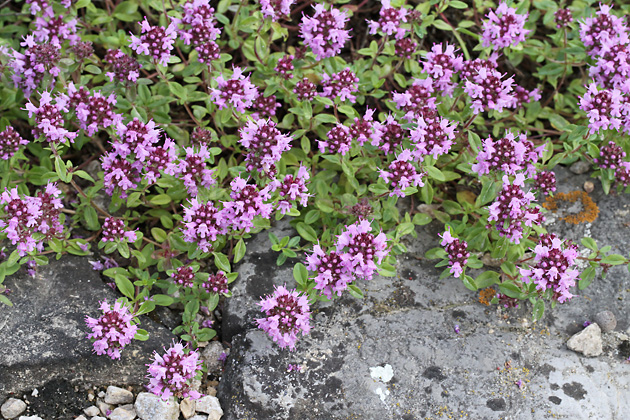 |
| Der Sand-Thymian (Thymus serpyllum) erreicht Wuchshöhen von bis zu 10 Zentimetern · 17.06.2012 |
 |
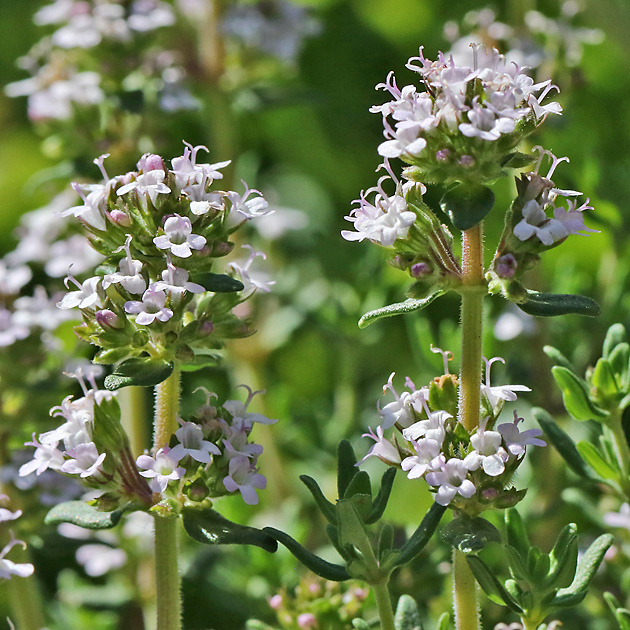
♣ Thymus ♠ T. vulgaris – Echter Thymian, Garten-Thymian
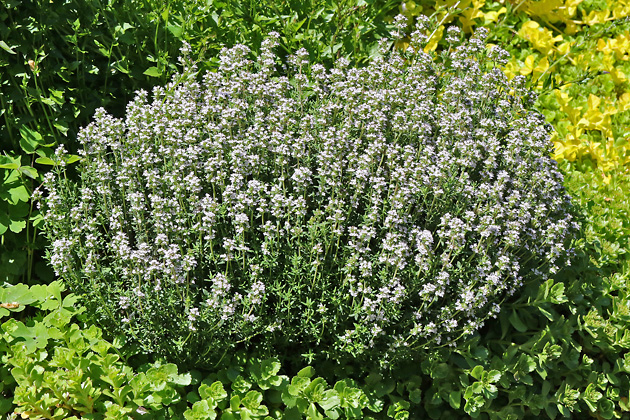 |
| Der Echte Thymian (Thymus vulgaris), ein Halbstrauch mit verholzten Stengeln, wird 20 bis max. 40 cm hoch |
 |
Falls am linken Bildschirm-Rand keine Verweisleiste zu sehen ist, klicken Sie bitte auf  , um den gesamten Frameset anzuzeigen.
 Tier & Natur >